EU Stock LiFePO4 Battery Cells for ESS Integrators
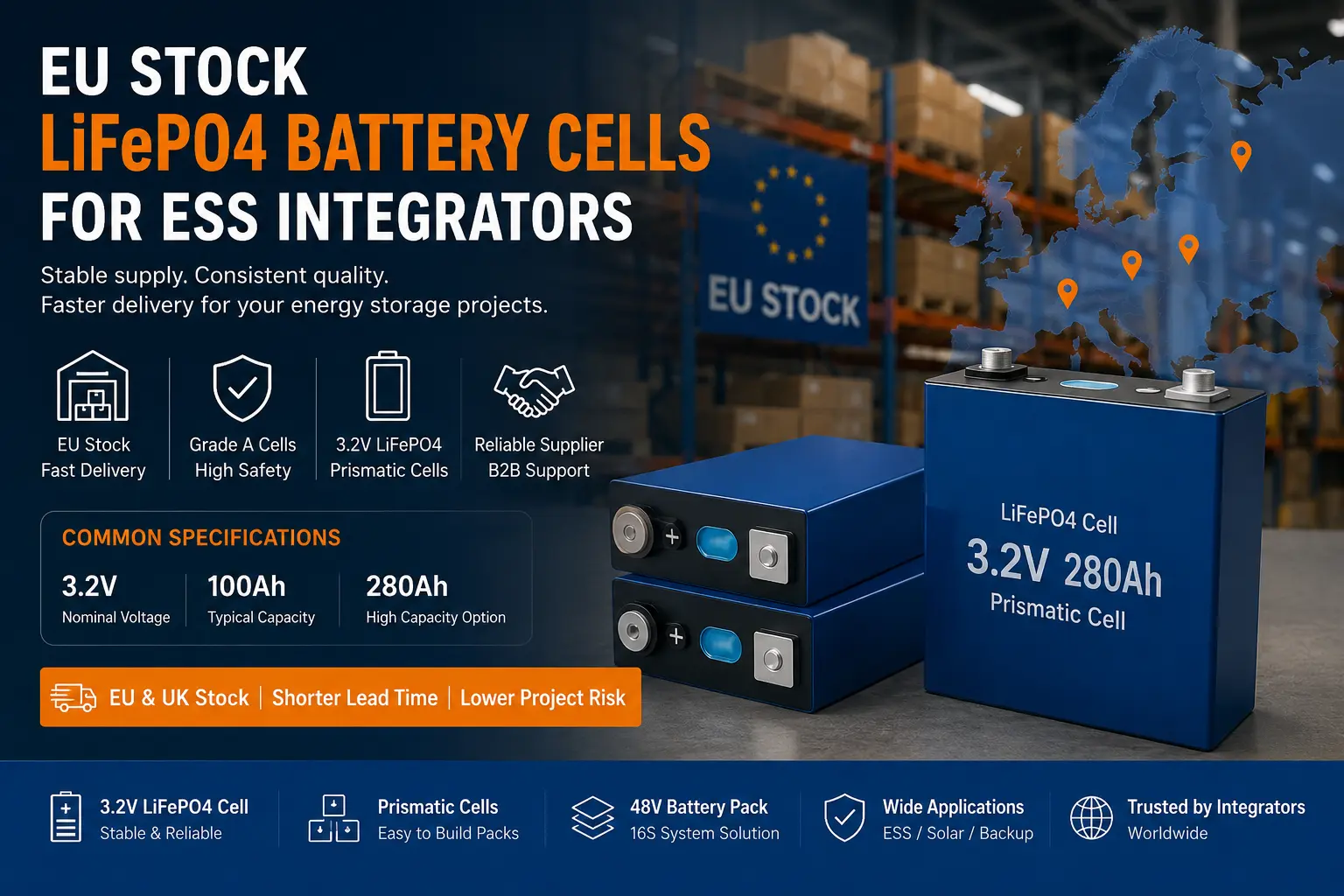
For ESS integrators, supply stability, technical consistency, and delivery speed matter just as much as battery performance. That is why EU Stock LiFePO4 Battery Cells are becoming a practical choice for projects that need faster lead times and easier planning.
If you are building an energy storage LiFePO4 battery, working with a 48V battery pack, or sourcing cells for a custom storage system, it helps to understand voltage, capacity, and supplier reliability before placing an order.
In most ESS projects, LiFePO4 cells are the starting point. The most common format is the prismatic cell, because it offers a good balance between energy density, system design flexibility, and cost control.
Why EU Stock LiFePO4 Battery Cells Matter
For integrators, EU Stock LiFePO4 Battery Cells can reduce waiting time and simplify project scheduling. When a project deadline is tight, local stock is often more useful than long overseas lead times.
This is especially relevant for buyers searching for LiFePO4 battery cells UK or Europe-based delivery. Local inventory can help with:
- faster sample testing
- shorter project lead times
- easier replacement planning
- lower shipping uncertainty
For B2B buyers, stock availability is not just a convenience. It can affect installation schedules, customer satisfaction, and project risk.
What ESS Buyers Should Check First
A LiFePO4 battery cell usually has a nominal voltage of 3.2V. That is why many people search for 3.2 V LiFePO4 battery cells or 3.2 LiFePO4 battery cell.
Before choosing a cell, check:
- nominal voltage
- capacity
- discharge current
- dimensions
- weight
- charging and storage limits
- test conditions in the datasheet
For stationary systems, prismatic cells are often preferred because they fit well into cabinets, racks, and modular battery packs. Many buyers also compare LiFePO4 battery prismatic cells when designing larger storage systems.
Common Cell Options for ESS
For many projects, the main choice is between different Ah ratings.
Typical examples include:
- 3.2 V 100Ah LiFePO4 battery cell for smaller storage builds
- 280Ah LiFePO4 battery cells for larger ESS modules
- EVE LiFePO4 battery cells for buyers who want a familiar brand reference
When comparing LiFePO4 battery cells, the most important point is not only capacity, but also how the cell fits the final system design.
If your goal is an energy storage LiFePO4 battery, the right cell should match:
- target system voltage
- total kWh required
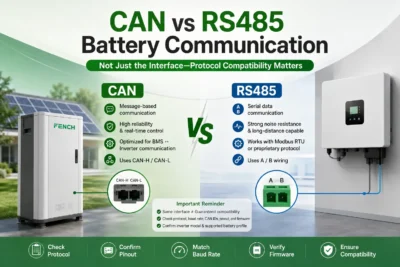
- inverter compatibility
- available space
- budget
- delivery timeline
Price and Supplier Choice
When buyers compare lithium cells price, it is important not to focus on unit cost alone. A lower price may look attractive, but the full system cost depends on packaging, logistics, test quality, and support.
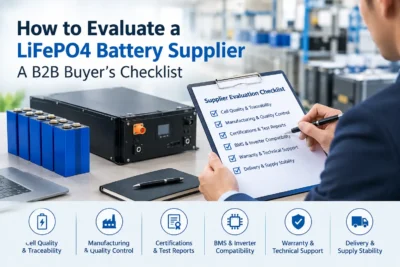
That is why many buyers compare several LiFePO4 battery suppliers before deciding. A reliable LiFePO4 battery supplier should provide:
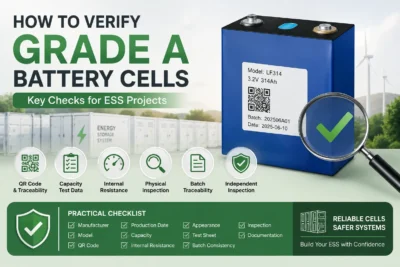
- datasheets
- voltage and capacity specs
- test conditions
- compliance documents
- clear lead times
- warranty information
When comparing EU Stock LiFePO4 Battery Cells, it is better to look at the full offer, not just the quote. Stock position, technical data, and delivery reliability often matter more than a small price difference.
The same applies to LiFePO4 battery manufacturers. A good supplier should explain how the cells are tested and what applications they are suitable for.
From Cells to a 48V Battery Pack
Most residential and commercial ESS systems are built around a 48V battery pack architecture. In LiFePO4 systems, that usually means 16 cells in series, which gives a nominal system voltage of about 51.2V.
This is one reason LiFePO4 cells are so popular with ESS integrators. They make it easier to build:
- modular battery packs
- rack-mounted systems
- cabinet storage solutions
- high-efficiency home energy storage systems
If you are building an energy storage LiFePO4 battery, the cell-to-pack design is just as important as the cells themselves. A good build should include:
- proper BMS protection
- correct voltage matching
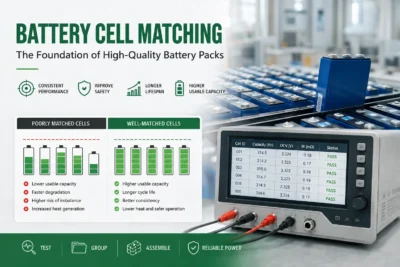
- balanced cell selection
- safe enclosure design
- verified charging and discharging limits
What ESS Integrators Should Check Before Buying
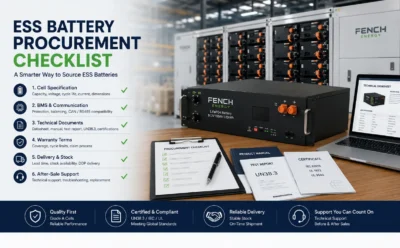
Before sourcing LiFePO4 battery cells, ask these questions:
- Is the cell a true 3.2V LiFePO4 battery cell?
- Does the supplier provide clear LiFePO4 battery cell voltage data?
- Are the cells suitable for a 48V battery pack build?
- Are the cells new and supported with proper documentation?
- Can the supplier explain testing, warranty, and delivery terms?
- Is the product available as EU stock or UK stock if timing is important?
If your project is time-sensitive, EU Stock LiFePO4 Battery Cells can be a strong advantage. If your market is in the UK, buyers often search specifically for LiFePO4 battery cells UK because local supply can reduce logistics friction.
Final Thoughts
For ESS integrators, the best battery cell is not only about price. It is about whether the cell fits the system design, the delivery timeline, and the long-term energy storage goal.
EU Stock LiFePO4 Battery Cells are a strong choice for modern stationary storage because they work well in modular systems, especially when built into an energy storage LiFePO4 battery or a 48V battery pack.
If you are comparing LiFePO4 battery suppliers, look at more than just the quote. Check the technical data, the stock position, and the supplier’s ability to support your project from sample to shipment.
For many ESS buyers, EU Stock LiFePO4 Battery Cells offer the right mix of speed, flexibility, and reliability.
EEAT Sources to Check Before Buying
A serious supplier should provide:
- manufacturer datasheets
- product specifications
- test reports
- transport compliance documents such as UN38.3
- safety references such as IEC 62619
- charging and storage recommendations
- for Europe, information related to EU battery regulation
If you are comparing branded cells, it is also useful to check the official information for EVE LiFePO4 battery cells.
This helps buyers verify the real performance of LiFePO4 battery cells before using them in a project.