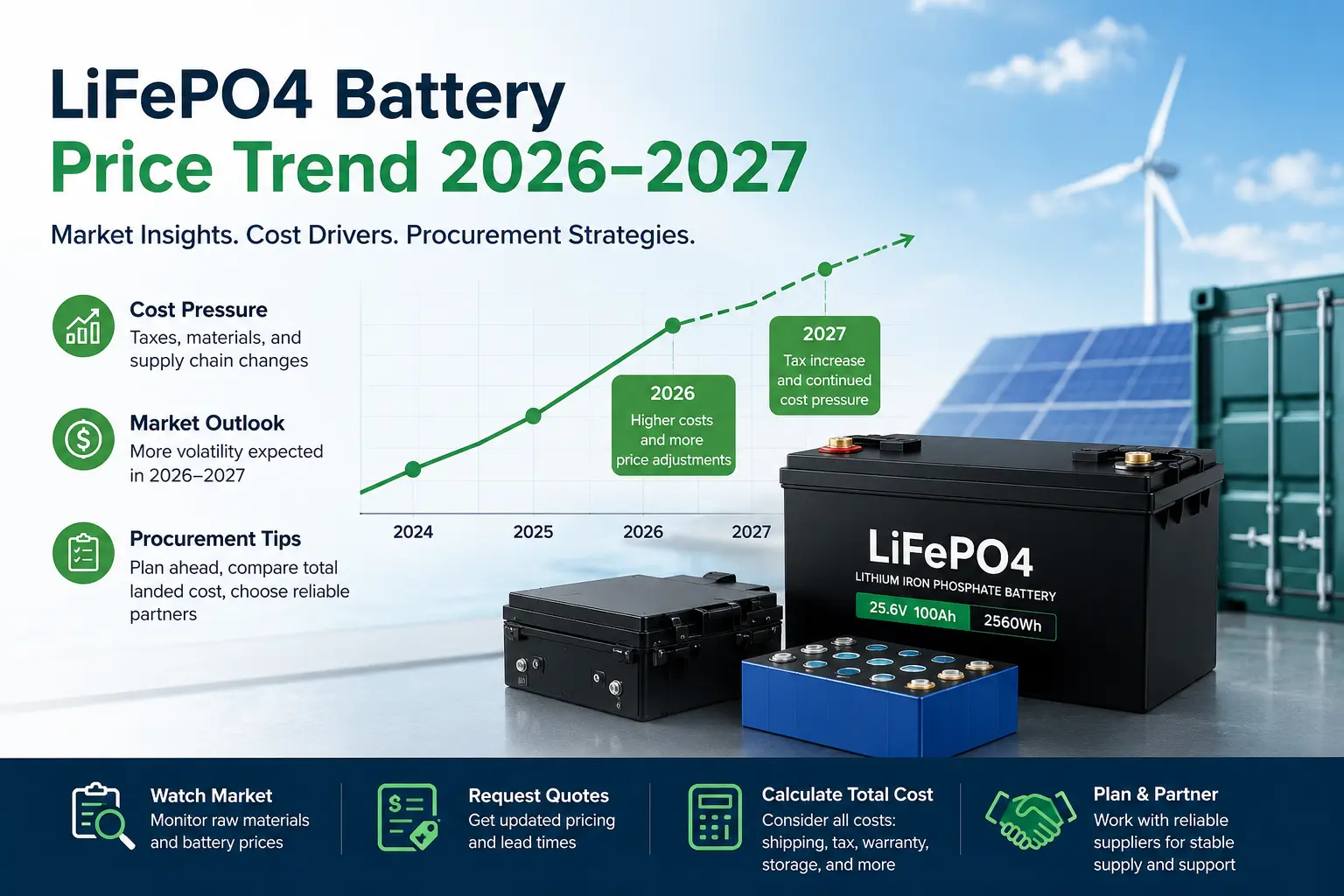
LiFePO4 battery price trend 2026 is becoming an important issue for solar installers, energy storage distributors, OEM buyers, and battery importers. After several years of falling battery costs, the market is showing stronger upward cost pressure in some parts of the supply chain.
For B2B buyers, the important question is not simply whether battery prices will rise. It is when costs may change, what is driving the change, and how procurement should respond.
What Is Driving the LiFePO4 Battery Price Trend in 2026?
Several factors are affecting the current LiFePO4 battery price trend.
Battery prices reached very competitive levels in 2025. BloombergNEF reported an average global lithium-ion battery pack price of $108/kWh, while LFP pack prices averaged around $81/kWh.
However, these figures represent global averages. Actual prices for LiFePO4 cells and battery packs depend on cell specifications, production costs, order volume, inventory, and delivery location.
Battery Consumption Tax
China’s battery industry is also facing new cost factors.
EVE Energy announced a 2% consumption tax cost adjustment from September 1, 2026 for applicable lithium battery products sold in China. The applicable rate is scheduled to increase to 4% from September 1, 2027.
For international buyers sourcing from Chinese manufacturers, this is an additional factor that may influence future quotations.
LFP Material and Component Costs
Upstream material prices also affect LiFePO4 battery costs.
Changes in lithium materials, LFP cathode materials, copper, aluminum, electronic components, and other production inputs can eventually affect cell and pack prices.
The impact is not immediate or identical for every supplier, because manufacturers may have different inventories and purchasing contracts.
LiFePO4 Battery Price Forecast 2026–2027
The LiFePO4 battery price forecast for 2026–2027 should not be based on a single percentage increase.
Our view at Fench Power is that the market is entering a period of greater price volatility. Large manufacturing capacity will continue to support competition, but higher material costs, taxes, and strong energy storage demand can create additional upward pressure.
For 2026, buyers should expect more frequent price adjustments for some cell and battery models.
For 2027, the planned increase in battery consumption tax creates another potential cost factor. If upstream material and manufacturing costs remain elevated, battery prices could face further upward pressure.
This does not mean every LiFePO4 battery will become more expensive. Supplier capacity, cell model, order quantity, and contract terms will continue to influence actual pricing.
LiFePO4 Battery Prices in Europe
European buyers should be particularly careful when comparing battery quotations.
A Chinese factory price is not the same as the final European procurement cost.
The total cost may include:
- Battery cells
- BMS and enclosure
- Ocean freight
- Import costs
- Certification and compliance
- Warehousing
- Local delivery
- Warranty support
This is why we recommend comparing total landed cost, rather than looking only at price per kWh.
A supplier offering a slightly higher factory price may still provide a lower overall cost if it offers better lead times, EU inventory, technical support, or warranty service.
How Should B2B Buyers Respond?
The current LiFePO4 battery price trend 2026–2027 makes procurement planning more important.
Request Updated Quotations
Do not rely on quotations issued several months ago. Ask suppliers to confirm current pricing, price validity, lead time, and delivery terms.
Plan Confirmed Orders
If a project already has a confirmed installation schedule, waiting for the lowest possible price can create unnecessary supply risks.
Compare Product Specifications
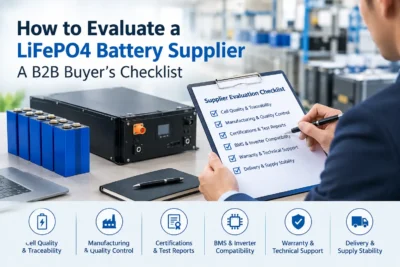
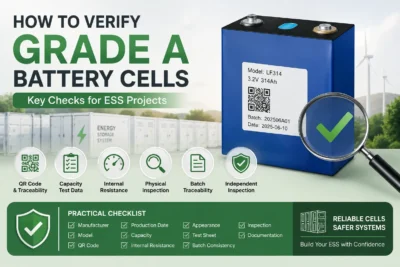
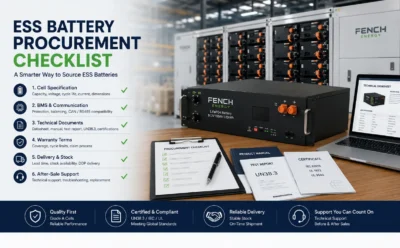
Always compare the same battery configuration. Check:
- Cell brand and capacity
- Cell grade
- BMS specifications
- Cycle life
- Certifications
- Warranty
- Production lead time
Build Reliable Supplier Relationships
For distributors and installers, a stable supplier can be more valuable than the lowest quotation.
At Fench Power, we work with B2B customers on product selection, supply planning, and battery specifications to help them manage changing market conditions.
Final Takeaway
The LiFePO4 battery price trend 2026–2027 is likely to remain volatile rather than move in one straight direction.
Manufacturing competition will continue to limit price increases, but battery taxes, material costs, energy storage demand, and supply-chain changes are creating stronger upward pressure.
For B2B buyers, the practical approach is to monitor market prices, request updated quotations, calculate total landed cost, and plan procurement around actual project demand.
Looking for LiFePO4 batteries for solar storage, backup power, or OEM projects? Contact Fench Power for current pricing, specifications, and supply options.